...

nursing preceptor

nurs preceptor

How to Become a Preceptor in the USA: Complete 2026 Guide

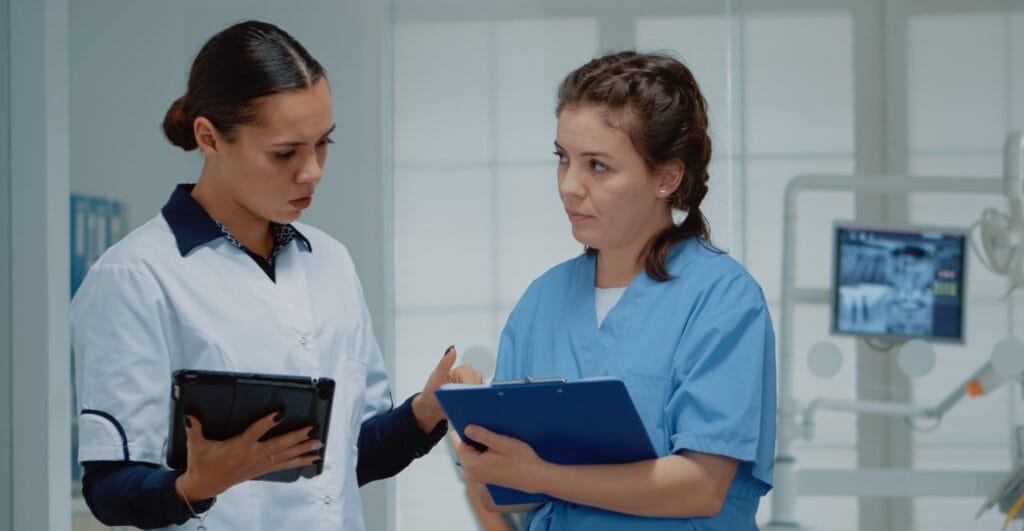
In the USA, becoming a preceptor is a fulfilling opportunity to further your professional career while influencing the direction of healthcare. Being a preceptor allows you to guide students and new clinicians in actual clinical settings. The following article explains how to become a preceptor and provides step-by-step clarification of nursing and NP preceptor qualifications. What is a preceptor in the USA? A preceptor is a qualified professional who mentors students in a practical clinical context. Instead of instructing students from a textbook, you will lead them through essential decision-making and real-world patient care. It is a fulfilling position that connects professional experience with classroom theory. Preceptors play a vital role in: Nursing MSN, BSN, and RN Nurse practitioners, including PMHNP, AGNP, and FNP Physician Assistant courses Training programs in allied health and medicine Why Become a Preceptor in 2026? By training the upcoming generation of clinicians, becoming a preceptor in 2026 is a potent strategy to address the country’s healthcare needs. In addition to achieving professional success, you can benefit from growing state-level tax benefits for your service and earn Continuing Education (CE) credits. What are the preceptor requirements in the USA? The majority of healthcare preceptors must fulfill similar qualifying requirements, which differ by state, institution, and program. The basic NP preceptor requirements are the following. In the USA, an active, licensed professional license Clinical experience of at least one to two years Practice in a clinical context that is pertinent to the student’s course of study Positive reputation with state licensing authorities Willingness to instruct, guide, and assess pupils Complete 2026 Guide on How to Become a Preceptor in the USA There is a step-by-step guide to becoming a preceptor in the USA. Step 1: First, Verify Your Eligibility To make sure you are eligible, start by reviewing the regulations of the particular academic program and your state board. This enables you to verify that your professional background and license meet the most recent 2026 requirements. Step 2: Create Your Professional Profile You’ll need a professional profile prepared to go if you want to draw in top colleges and the brightest students. To make sure everything is up to date, start by updating your resume and compiling information about your current license and certification. Ensure that your unique areas of expertise and your clinical expertise are clearly documented. Step 3: Perform any Necessary Preceptor Training Many academic institutions demand: Internet-based preceptor training Training on FERPA and HIPAA Clinical instructional modules Step 4: Apply to become a preceptor Are you prepared to begin? You can start right away by applying to NP and nursing schools that fit your expertise. Registering with specialized clinical placement agencies or collaborating with nearby institutions that are actively looking for mentors are some strategies that many physicians find successful. By following these easy steps, you can get in touch with students who are ready to learn from your experience. Step 5: Seek Facility Permission Formal permission for hosting students may be needed at your place of employment, including: Agreements for affiliation Verification of liability coverage Step 6: Start the Precepting Process After you are paired with a pupil, you will begin by defining their rotation goals through the establishment of specific learning objectives. As a mentor, you will oversee their patient care to guarantee security as they acquire practical experience. Lastly, you will provide them with the critical criticism and assessments they require to develop into a self-assured professional. FAQ’s How long does it take to become a preceptor? You can begin precepting in a few weeks when eligibility and approvals are finalized. In the United States, who may become a preceptor? Nursing RNs, nurse practitioners, PAs, and other licensed professionals with the necessary clinical experience and an active license are qualified. What level of experience is required to work as a preceptor? A minimum of one to two years of current clinical expertise is required for most programs.

How to Become a Preceptor in the USA: Complete 2026 Guide Read More »
Essential guidelines for aesthetic nurse practitioner Preceptors Hub

How to Become an Aesthetic Nurse Practitioner?

Are you interested in enhancing your nursing career as an aesthetic nurse practitioner? An aesthetic nurse practitioner is a professional person with experience in providing a wide range of cosmetic treatments and procedures. There are several ways to become an aesthetic nurse practitioner. In this blog, we will discuss how to fulfil your dream of enhancing the natural beauty of other people. There is a need for proper training and guidance to become a professional Aesthetic Nurse Practitioner. It might become your perfect career as an aesthetics np. This comprehensive guide will analyze and examine the significant steps to help you become an aesthetic nurse practitioner. What Is an Aesthetic Nurse Practitioner? An Aesthetic NP is a professional and well-trained healthcare professional. An aesthetics NP practitioner works on different types of non-surgical cosmetic procedures.  They work for the beauty treatments of young women. They devote themselves to work to increase the appearance and self-confidence of patients. They treat the patients by administering Botox injections and laser treatments. Aesthetic NPs play a significant role in providing patients with proper medical aesthetics-based beauty treatments. Education and Training Strong base in Nursing  It is essential to have a strong base in the nursing field before starting a career as an Aesthetic Nurse Practitioner. Start educating yourself by giving more time to studying and clinical training. Try to build a strong foundation in the field of nursing. The more studies there are, the stronger the base in nursing will be. Start your nursing career by enrolling in a BSN nursing program from any prestigious university.  It will start the first step towards building a strong foundation in the nursing field.  Engage in the comprehensive coursework and clinical rotations. It will enhance your nursing knowledge and essential nursing skills. The BSN nursing will prove to be the backbone of your career as an aesthetic nurse practitioner. Become an aesthetic np After completing your BSN program, become a licensed Registered Nurse. Register yourself as a nurse by passing the examination from the nursing board named “National Council Licensure Examination for Registered Nurses (NCLEX-RN)”. It is a comprehensive exam that tests the nursing-based knowledge and capabilities of nursing students.  After passing this exam, you will receive a nursing license. This license will enable you to gain practical nursing experience. It will expose you to different healthcare settings. You will gain a lot of experience and practical training.  Study an MSN or DNP Degree Make yourself a more professional person by enrolling in an MSN and  DNP degree in nursing. It will promote your career to the next level. As an Aesthetic NP, train yourself for further learning and grooming. It is necessary to enroll in an MSN or DNP degree program. These professional degree programs will prepare you for your practical life.  It will promote your clinical skills and theoretical nursing knowledge for your career as an aesthetic NP. Study complex topics relevant to aesthetics, dermatology, and cosmetic procedures. It will prepare you for delivering high-quality healthcare services. Take NP Certificates Achieve your np certificate after completing your advanced degree. Receive your np certificate from American Association of Nurse Practitioners. AANP certification shows your knowledge, experience and professionalism as an Aesthetic NP. It will show your understanding about cosmetic treatments and skin care procedures. The np certification prepares the nurses for their career journey as an aesthetic np. It will make a positive impact on the healthcare leader. Iot prepares the nurses for practical aesthetic care. Developing Aesthetic Experience Job Experience It is necessary to improve the aesthetic experience of aspiring aesthetic nurse practitioners. Development of nursing experience prepares the nurses for success in the field of medical aesthetics. Ortry to work in dermatology clinics, plastic surgery centres, and medical spas. This will provide important training and exposure to various aspects of aesthetics. Aesthetic NPs can understand the complexities of skincare. Job experience makes them go deeper into secrets of facial anatomy. It enables the nursing aesthetic practitioners to observe and assist the students with standard aesthetic procedures. Train yourself to perform chemical peels on the patients. Practical jobs will enable you to learn the secrets of microdermabrasion and laser treatments. Nurses also learn the non-surgical facial rejuvenation techniques. This job experience helps the nurses in mastering the art and science of aesthetic nursing.  Building Your Career Enhancing your social circle Enhance your social circle through networking. It is very important to promote yourself as an aesthetic nurse practitioner in the field of medical aesthetics. Feel fre to connect with other healthcare professionals. include plastic surgeons, dermatologists and skin specialists. Feel free to expand your professional circle and move towards big job opportunities. Build strong relationships with influential people who can help you in moving forward in your career of nursing aesthetics.  Conclusion The role of aesthetic nurses have changed in the field of healthcare. There are various career pathways in the field of nursing. One of them is aesthetic np. It is related to the medically administered beauty techniques. These beauty techniques includes various skin care and skin rejouvenating methods. The role of nurses in medical healthcare has increased to a great extent. The aesthetic nurse practitioners play an important role in helping the patients to gain confidence with improved beauty and skincare routine. Becoming an aesthetic np is a perfect option for modern nurses. This exciting field can open new doorways to success for nurses. Now lets get started on our prestigious journey of becoming an Aesthetic Nurse Practitioner. 

How to Become an Aesthetic Nurse Practitioner? Read More »

nursing preceptors

Role of Nursing Preceptors in Clinical Education

Nursing preceptors play a critical role in shaping the future of nursing students. They present comprehensive guidance to students in clinical settings. Their role goes beyond coaching medical competencies. Additionally, they serve as mentors and advocates for university students. In this article, we will explore the role of nursing preceptors in scientific education and how they contribute to improving the future of compassionate nurses. What is a nursing preceptor? A nursing preceptor is a skilled registered nurse (RN) who guides and supervises nursing students in a scientific setting. Hire a preceptor who possesses scientific knowledge, teaching competencies, and a commitment to nursing education for future training. Preceptors work intently with college students to help them combine theoretical understanding with clinical practice. They try their best to expand important thinking and scientific reasoning competencies. The Role of Nursing Preceptors 1. Teaching and Guiding: Preceptors coach students’ clinical capabilities. It includes medicine management, wound care, and affected person evaluation. They also help students grow nursing care plans, prioritise patient care, and cope with complex scientific situations. 2. Mentoring: The preceptors mentor the university-level nursing students. They present them with aid, encouragement, and optimistic feedback. They assist students in navigating the challenges of scientific exercise and expand professional attitudes and behaviours. 3. Role Modeling: The preceptors are role models for college students. They demonstrate professionalism, compassion, and clinical competence. They inspire students to work for excellence in their nursing practice and nursing profession. 4. Advocacy: The preceptors control fulfilling students’ wishes. They advocate for their success. They also recommend good tutoring services for weak students to ensure that students have a secure and professional career. 5. Assessment and Evaluation: The preceptors assess students’ educational performance. They offer comments on their strengths and areas for improvement. They play a powerful role in evaluating students’ readiness for an excellent future. How will nursing preceptors help you? Preceptors empower nursing students to attain their academic and professional dreams. They assist nursing students by offering guidance, professional help, and mentorship. They try to eliminate the complexities of medical practice from the lives of nursing students. They broaden their skills and self-assurance to help them excel in their nursing careers. Nursing Preceptors serve as role models for nursing students. They demonstrate professionalism, compassion, and medical competence. They impart valuable information and knowledge to students. They are professional in assisting them to expand their essential thinking and scientific reasoning skills. Through their assistance, preceptors instill in students a sense of responsibility and duty. They promote a strong work ethic and a dedication to excellence in the fields of nursing and health-care. Facilitating Hands-On Learning One of the important ways nursing preceptors assist nursing students in achieving their dreams is by facilitating hands-on learning. Preceptors allow students to use theoretical expertise in actual international medical settings. They let them benefit from realistic talents and enjoyment, which are critical for their future careers. Nursing preceptors guide nursing students through numerous medical responsibilities. It consists of patient checks, medicinal drug management, and wound care. They ensure that they understand the reason behind each action. This hands-on learning approach enhances the self-belief and competence of nursing students in the medical profession. Supporting Professional Development In addition to supplying medical guidance, nursing preceptors also aid nursing students in their professional development. They assist students in increasing their essential professional skills, along with powerful communication, teamwork, and ethical exercise. Preceptors also assist students in setting goals and developing a plan for their professional growth. They also provide them with the support and resources they need to be successful. Furthermore, nursing preceptors serve as advocates for nursing students. They also ensure they have been admitted to prestigious universities for their nursing degrees. They create diverse scientific and educational possibilities for nursing students. They offer valuable counselling to nursing students. They assist them in identifying their strengths and areas for development. This feedback is crucial for students’ growth and improvement. It allows them to become professional nursing practitioners, constantly striving to enhance their nursing careers. Our preceptors are vital in helping nursing students fulfil their desires. Their guidance, support, and mentorship enable nursing students to have a strong grip on their nursing fields. Nursing preceptors empower college and university nursing students to become intellectual and expert nurses who are always ready to meet the demanding situations of nursing and healthcare. Make your future with the help of nursing preceptors 1. Enhanced Learning: Our preceptors give comprehensive guidance to college and university students. They enhance their learning process through practicals and research based on real-life experiences. They groom their expertise in nursing concepts and concepts. 2. Professional Development: Our preceptors train the students to increase their professional attitudes and behaviours. They promote the professional development of nursing students by teaching them effective communication, teamwork, and moral exercises. 3. Improved Confidence: Working closely with our preceptor allows you to build strong self-confidence. We will enable you to have exceptional clinical abilities and decision-making abilities. 4. Career Advancement: Our preceptors can help you advance in your nursing career. We open up possibilities for career advancement in the nursing field. Overcoming the challenges of nursing preceptorship 1. Time Constraints: Our nursing preceptors will help you conquer time constraints. We are quite professional in imposing strategies, which include workload changes and scheduling flexibility. This consists of lowering the variety of academic burdens assigned to future preceptors. We will train you to devote your time to entertainment, sports, and other administrative obligations. 2. Differing Learning Styles: Our nursing preceptors can understand the different learning styles of nursing students. We know that nursing students have varying learning styles and backgrounds. We assist them in incorporating diverse teaching techniques into preceptorship programs. This includes providing multiple learning resources, online modules, simulations, and research-based assignments to accommodate exclusive learning possibilities. We also utilise coaching strategies to meet the individual needs of each future scholar. 3. Managing Expectations: We provide nursing students with professional nursing preceptors. They fulfil their expectations and help them achieve high grades.

Role of Nursing Preceptors in Clinical Education Read More »

Scroll to Top
Seraphinite AcceleratorOptimized by Seraphinite Accelerator
Turns on site high speed to be attractive for people and search engines.